Private Basic Schools Demand Fair Share of Government Support
Stakeholders warn of widening inequality in education as private institutions call for inclusion in state-funded resources

Share this
 Private Basic Schools Demand Fair Share of Government Support
Stakeholders warn of widening inequality in education as private institutions call for inclusion in state-funded resources
Source: Justice Baffour- managing editor/www.dailywatchgh.com-0246930931
Pressure is mounting on government to extend vital support to private basic schools, as education stakeholders intensify calls for fairness in the distribution of teaching and learning resources across Ghana.
While public basic schools continue to benefit from government-supplied materials such as textbooks, exercise books, chalk, and other essential logistics, private schools,despite their growing contribution to national education,remain largely excluded from such assistance. This imbalance, stakeholders argue,is undermining efforts to ensure equal learning opportunities for all pupils.

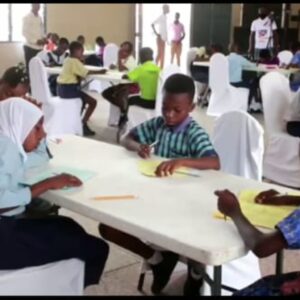
The issue took center stage during the quarter-final contest of the Perfect Series Basic School Assessment Competition, held at Kumasi Anglican Senior High School. Addressing participants and observers, Lead Examiner Mr. Martin Opoku underscored the urgent need for government intervention to bridge the gap between public and private basic education.
He stressed that private schools are not peripheral players but critical partners in expanding access to quality education, particularly in communities where public schools are overstretched.
“Denying private schools access to basic teaching materials ultimately affects the quality of education delivered to thousands of Ghanaian children.
Supporting them is not optional,it is necessary,” Mr. Opoku asserted.
He further described the Perfect Series contest as more than just an academic competition, noting that it serves as a platform to nurture intellectually capable, confident, and future-ready learners.
According to him, such initiatives complement national education goals by promoting excellence and critical thinking among pupils.
The event attracted participation from various schools, with students demonstrating impressive academic abilities in a lively and competitive setting. Teachers and education advocates present echoed the call for inclusive policies that recognize and support the role of private institutions in national development.
Observers maintain that incorporating private basic schools into government support frameworks will not only promote fairness but also significantly enhance overall educational outcomes.
With the conversation gaining momentum, stakeholders are urging policymakers to act decisively and adopt inclusive strategies that ensure every child,regardless of the type of school they attend,has access to quality education resources.