
Share this
Atwima Kwanwoma DCE Cuts Sod for Landmark 24-Hour Economy Market; Twedie Set for Major Economic Transformation

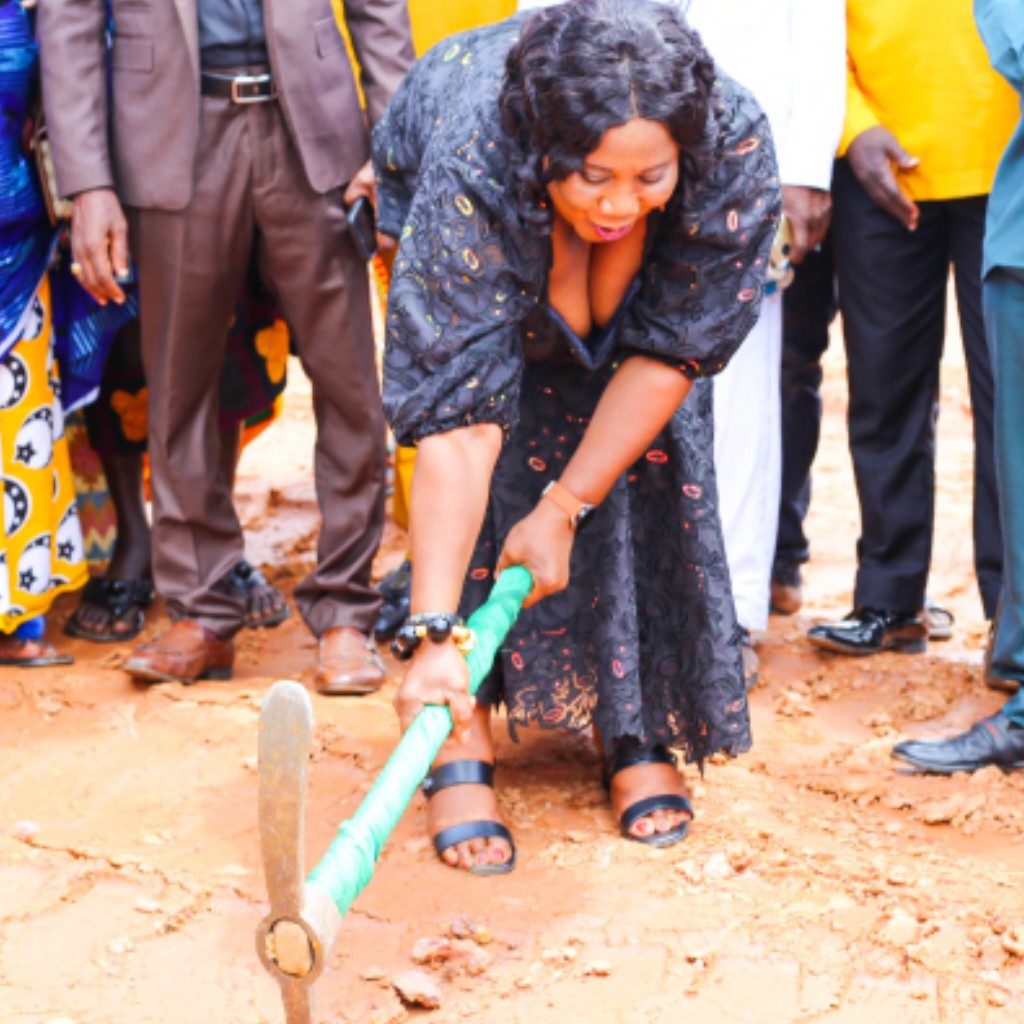
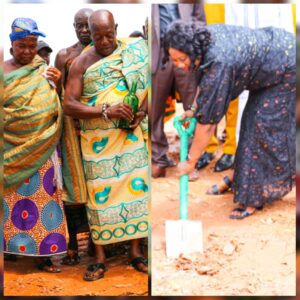
The District Chief Executive (DCE) for the Atwima Kwanwoma District Assembly, Hon. Grace Agyemang Asamoah, has officially cut sod for the construction of an ultra-modern 24-hour economy market at Twedie in the Ashanti Region, marking a significant milestone in the Government of Ghana’s flagship 24-hour economy agenda.
The ambitious project is expected to transform commercial activities within the district, create thousands of direct and indirect employment opportunities, and position Atwima Kwanwoma as a major economic and trading hub in the Ashanti Region.
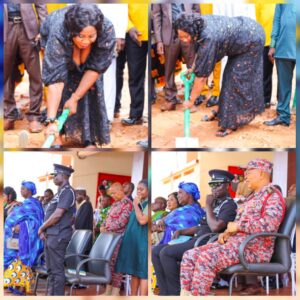
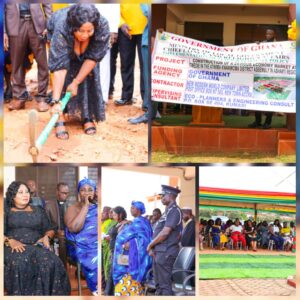
The sod-cutting ceremony, held at the forecourt of the District Assembly on Monday, June 1, 2026, attracted traditional authorities, government officials, assembly members, heads of departments and agencies, religious leaders, market women, traders, transport operators, youth groups, and residents from across the district.

Addressing the gathering, Hon. Grace Agyemang Asamoah described the project as a historic intervention that would usher the district into a new era of economic growth and prosperity.
According to her, the establishment of the modern market aligns with the government’s vision of promoting a vibrant 24-hour economy aimed at increasing productivity, stimulating local businesses, and improving the living standards of citizens.
“Today, we are not merely cutting sod for a construction project; we are laying the foundation for a bold economic transformation within the Atwima Kwanwoma District,” she stated.
The DCE explained that the facility would enable traders and businesses to operate around the clock, thereby expanding commercial opportunities, boosting economic activity, and increasing household incomes.
She further disclosed that the market has been carefully designed to meet modern standards while ensuring convenience, safety, and comfort for traders and patrons.
The facility will comprise 132 lockable shops, 132 sheds and open pavement trading spaces, as well as 160 open pavement ceiling areas.
Other key facilities to be provided include modern washroom and shower facilities, warehouses, meat shops, a cold store, a livestock trading area, food courts and restaurant facilities, barbering shops, commercial service centres, and a shopping mall or supermarket.
Additionally, the market will feature a Women’s Bank, a police post, a fire station with hydrant systems, an Environmental Health Office, a Market Manager’s Office, an Information Centre, a parcel office, a six-bed hostel facility, and a six-bed clinic with a pharmacy.
The project will also include a lorry terminal for commercial vehicles, a dedicated parking area for heavy-duty trucks, modern drainage systems, and efficient waste management facilities to promote sanitation and prevent flooding.
Hon. Grace Agyemang Asamoah emphasized that the market would be disability-friendly, ensuring accessibility for persons living with disabilities.
She revealed that the project is expected to be completed within three years and urged the contractor to adhere strictly to approved specifications while ensuring timely completion.
The DCE further called on the contractor to prioritize the employment of local youth during the construction phase to create jobs and improve livelihoods within the district.
According to her, the market will stimulate agribusiness and agro-processing activities, increase internally generated revenue for the Assembly, and significantly contribute to the socio-economic development of the district.
She also appealed to residents of Twedie and surrounding communities to support and safeguard the project throughout the construction period to guarantee its successful completion.

Meanwhile, traditional leaders who addressed the ceremony commended the government for initiating what they described as a transformational project capable of changing the economic fortunes of the district.
However, they expressed concern over the deplorable state of road networks connecting major farming and trading communities within Atwima Kwanwoma.
According to the chiefs and elders, poor road infrastructure could hinder the full realization of the benefits of the 24-hour economy market if urgent interventions are not undertaken.
They therefore appealed to the government to prioritize the rehabilitation and tarring of roads across the district to facilitate the smooth transportation of goods and services and improve access to the new market.
The traditional leaders stressed that improved road infrastructure would not only boost trading activities but also attract investors, businesses, and other development opportunities to the district.
