Share this
GALAMSEY:Ghana’s Poisoned Rivers and Dying Forests-The Environmental Crisis Threatening Africa’s Future
Illegal Mining Activities Continue to Destroy Water Bodies, Forest Reserves and Farmlands as Communities Cry for Urgent Action
By Justice Baffour
Managing Editor
Daily Watch GH
0246930931
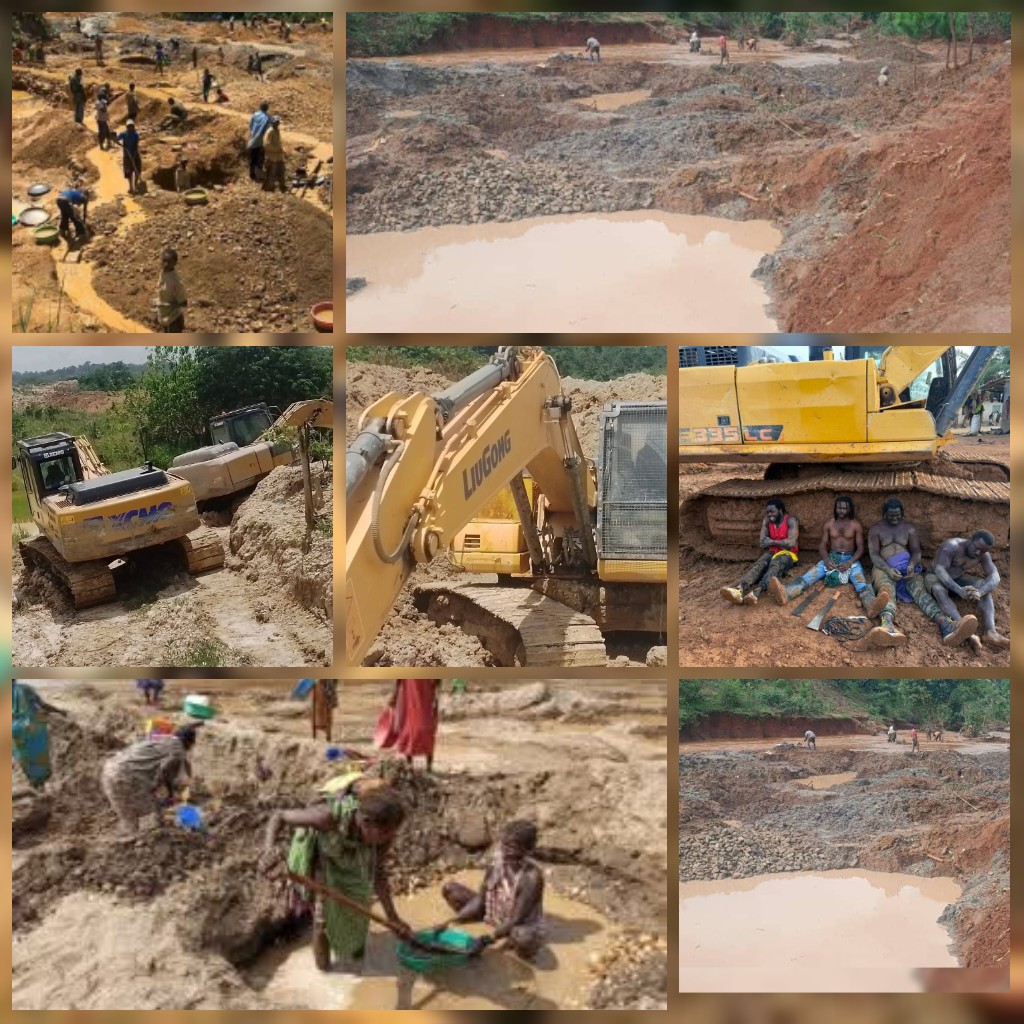
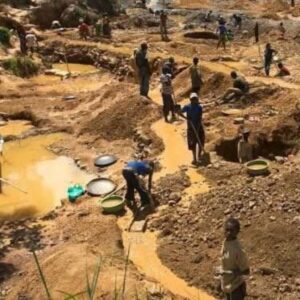
Across several communities in Ghana and many parts of Africa, an environmental catastrophe is unfolding quietly but dangerously. Rivers that once provided clean drinking water have turned brown and poisonous, fertile farmlands are rapidly disappearing, and forest reserves are being destroyed at an alarming rate due to illegal mining activities popularly known as “galamsey.”
What was once considered a small-scale survival activity has now evolved into one of the greatest environmental and national security threats confronting Ghana and several African countries. From abandoned mining pits to devastated forests and polluted rivers, the scars of galamsey continue to spread across the country, leaving fear, destruction and uncertainty in their wake.
In many mining communities across the Ashanti Region, Western Region, Eastern Region and Central Region, residents say their livelihoods and health are under serious threat as illegal miners invade forests, destroy cocoa farms and contaminate vital water sources with dangerous chemicals.
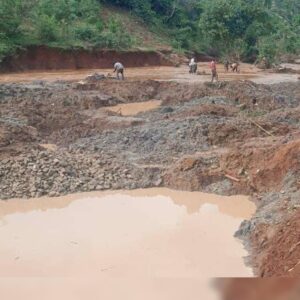
Major rivers such as the Pra, Adankran,Ankobra,Offin and Birim-once reliable sources of drinking water, fishing and farming activities-are now heavily polluted and increasingly unsafe for human use. Water treatment institutions are spending millions of cedis to purify water for domestic consumption, while several rural communities continue to struggle daily for clean and safe drinking water.
Environmental experts and conservation groups have repeatedly warned that if immediate and decisive action is not taken, future generations may inherit barren lands, dead rivers and ecosystems destroyed beyond repair.
The Genesis of Galamsey in Ghana and Africa
Illegal mining in Ghana dates back several decades when local communities engaged in small-scale mining using basic tools to survive economically. However, over time, the practice has transformed into a highly organized and destructive enterprise involving financiers, powerful individuals, foreign nationals and criminal networks.
The rising cost of living, unemployment, poverty, greed, weak enforcement of mining regulations, corruption and the increasing global demand for gold have all contributed significantly to the rapid growth of illegal mining across Ghana and other African countries.
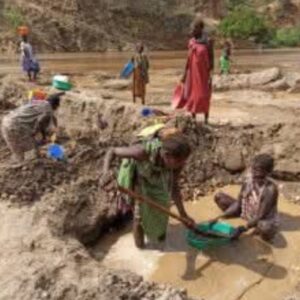
For many unemployed youth in rural communities, illegal mining operation (galamsey)has become a quick source of income despite the devastating environmental consequences. In several cases, wealthy sponsors provide excavators, machines and logistics to illegal miners in exchange for huge financial returns.
Sadly, many forests, rivers and farmlands continue to be invaded without proper authorization, while authorities struggle to contain the widespread destruction.
Forests and Farmlands Under Siege
One of the biggest victims of illegal mining is the environment itself.
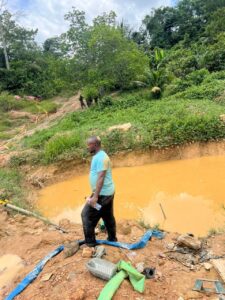
Thousands of hectares of forest reserves have been destroyed, leaving behind deep uncovered pits, eroded lands and dangerous landscapes that threaten both humans and wildlife.
Trees are cut down indiscriminately to create access routes and mining sites, worsening deforestation and contributing significantly to climate change.
In many cocoa-growing communities such as the Amansie, Bekwai, Atwima and Adansi areas within the Ashanti Region, farmers are watching helplessly as their farms are destroyed for short-term gold extraction. Food crop plantations that once sustained families economically are also disappearing rapidly.
Agricultural experts fear that the continued destruction of fertile lands could severely affect food production and worsen food insecurity across Ghana and Africa in the coming years.
Pollution of Water Bodies and Health Risks
Perhaps the most disturbing impact of galamsey is the pollution of rivers and streams.
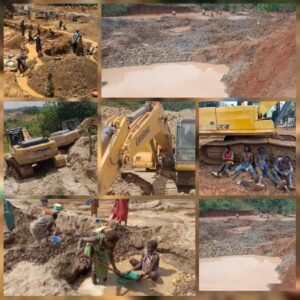
Illegal miners often use harmful chemicals such as mercury and cyanide during mining operations. These toxic substances find their way into water bodies, killing aquatic life and exposing nearby communities to severe health complications.
Health experts warn that prolonged exposure to polluted water could increase cases of kidney diseases, skin infections, respiratory illnesses and other life-threatening medical conditions.
In some communities, residents are left with no option but to rely on contaminated water for cooking, washing and drinking, placing thousands of lives at risk.
The Future Threat Facing Africa
Environmental analysts believe the long-term consequences of illegal mining could be catastrophic for Africa if urgent interventions are not implemented.
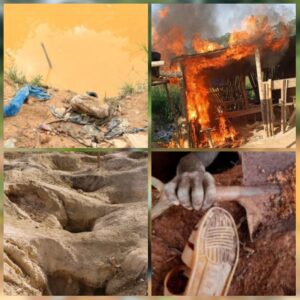
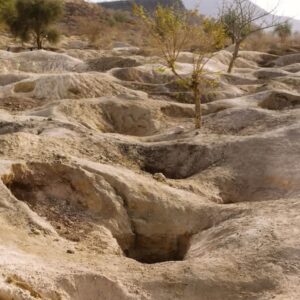
The continued destruction of forests and water bodies threatens biodiversity, weakens climate resilience and increases the risk of droughts, flooding and desertification.
If the situation persists, Ghana and Africa could face:
Severe water shortages
Increased poverty and unemployment
Worsening public health crises
Food insecurity and hunger
Loss of wildlife and biodiversity
Destruction of agricultural lands
Increased flooding due to deforestation
Rising criminal activities and social conflicts linked to illegal mining
Experts further warn that governments may be forced to spend billions of dollars in future environmental restoration efforts if the destruction continues unchecked.
Suggested Immediate Measures to Control Galamsey
To halt the growing destruction, stakeholders are calling for urgent and aggressive interventions,including:
Intensifying security operations against illegal mining activities
Seizing excavators and equipment used for illegal mining
Involving traditional authorities, religious leaders and opinion leaders in the fight against galamsey
Enforcing tougher strong punishments for offenders
Declaring temporary bans in heavily affected mining zones
Increasing surveillance on rivers and forest reserves
Expanding nationwide education on environmental protection
Traditional leaders, community members, environmental groups and the media are also being encouraged to support efforts to expose and monitor illegal mining activities within local communities without intimidation or harassment.
Lasting Solutions for Sustainable
Environmental Protection
While security crackdowns may offer temporary relief, experts insist that sustainable and long-term solutions are the only way to permanently address the galamsey crisis.
Job Creation and Economic
Empowerment
Governments and private institutions must create sustainable employment opportunities and vocational training programs for young people to reduce dependence on illegal mining.
Strict Enforcement of Environmental Laws
Authorities must enforce mining and environmental regulations without political interference, corruption or favoritism.
Proper Regulation of Small-Scale Mining
Responsible small-scale mining should be formalized through licensing, monitoring and environmental education to reduce illegal operations.
Reforestation and Land Reclamation
Massive tree-planting exercises and land restoration projects must be intensified to recover degraded forest reserves and farmlands.
Community Education and Awareness
Environmental education should be strengthened in schools, communities and media platforms to create awareness about the long-term dangers of illegal mining.
Alternative Livelihood Support
Affected communities should receive support in agriculture, aquaculture, agro-processing and entrepreneurship to reduce economic dependence on galamsey.
Strong Political Commitment
Governments across Africa must demonstrate genuine political will and commitment in fighting illegal mining irrespective of status, influence or political affiliation.
Conclusion
The destruction caused by illegal mining, popularly known as galamsey, is no longer just an environmental problem-it is a national emergency and a growing threat to Africa’s future.
If urgent and collective action is not taken, future generations may inherit polluted rivers, destroyed forests, infertile lands and irreversible environmental damage.
The fight against illegal mining requires the united efforts of governments, traditional authorities, civil society organizations, environmental agencies, the media and ordinary citizens.
Africa’s natural resources are vital to its survival and development.
Protecting them today is the only way to secure a healthier, safer and more sustainable future for generations yet unborn.